
Introduction to Industrial Automation
Start your Industrial Automation educational journey here by exploring the structure and function of automation systems.
March 30 & 31, 2026 (Monday & Tuesday)
9:00 am - 4:00 pm
AWC, Inc | Jacksonville, FL
Details + Agenda
This foundational workshop is designed to introduce new electricians to the core principles of industrial automation. Participants will explore the structure and function of automation systems, focusing on 24VDC control circuits, field devices, basic motor control, and schematic interpretation. The course emphasizes hands-on learning and real-world. troubleshooting techniques to build confidence and competence in working with control systems. PLCs will be introduced only as part of a system overview to provide context for their role in automation.
Objectives include:- Understand and work with 24VDC control circuits, including power distribution, signal flow, and safety considerations.
- Identify and classify field devices, including sensors and actuators, based on measurement type, signal characteristics, applications, and limitations.
- Wire and troubleshoot field devices using manufacturer documentation and schematics to diagnose common issues.
- Interpret basic control drawings and schematics, including symbols, signal paths, and component relationships.
Cost: $1,400 (limited space - Register Now)
Who Should Attend: Entry-level electricians, apprentices, and maintenance personnel beginning work in industrial or control automation environments.
Day 1: Fundamentals & Components
Module 1: Welcome & Icebreaker
-
- Understand course objectives and expectations
- Build rapport and share prior experience
Module 2: Overview of Industrial Automation
-
- Explain the purpose and benefits of automation in industrial settings
- Describe the evolution of automation systems from manual to modern SCADA
Module 3: Key Control Components
-
- Identify censors, actuators, controllers, and HMIs
- Explain the function and role of each component in process control
Module 4: Signal Types & Wiring
-
- Differentiate between discrete, analog, and networked signals
- Interpret wiring diagrams and identify common wiring errors
Hands-On Lab: Component Identification & Wiring
-
- Wire basic components correctly using schematics
- Troubleshoot simple control circuits and verify signal flow
Day 2: Control Logic & Troubleshooting
Module 5: Motor Control Fundamentals
-
- Explain motor control methods (starters, soft starters, VFDs)
- Apply safety practices (LOTO, NFPA 70E) during motor maintenance
Module 6: Advanced Sensors & Networking
-
- Describe advanced sensor technologies (radar, flow meters)
- Understand basic industrial networking protocols (Profinet, IO-Link)
Module 7: Common Errors & Troubleshooting
-
- Diagnose common device-level and control logic issues
- Apply systematic troubleshooting techniques using HMI and schematics
Hands-On Lab: Troubleshooting Scenarios
-
- Perform troubleshooting on simulated control systems
- Validate repairs and confirm system functionality
Module 8: Assessment & Wrap-Up
-
- Demonstrate competency through a knowledge check and practical evaluation
- Understand certification requirements and next steps for advanced training
What Others are Saying
Discover how this training has given others the fundamental skills they needed to move to the next level at their jobs and in their training.
"This class was a great first step into automation. Learning the terms and vocabulary made a huge difference. Once I understood the language - PLCs, I/O, field devices, networks - I could finally follow conversations, documentation, and troubleshooting discussions. It gave me a much better understanding of how the system works as a whole."
"One by one we sent our techs to this training. Our team now approaches problems at the system level instead of just swapping parts. That mindset shift has been huge."
"Automation can be intimidating for new technicians. This course gives them the foundational language they need to understand how systems work. After the training, they communicate more effectively with engineering and are much better equipped to do their own research."
Meet Your Instructor
Learn from industry-leading Automation & Controls Specialists with years of hands-on experience in industrial automation. They bring a wealth of practical knowledge and real-world insights to ensure you gain valuable skills you can apply immediately.
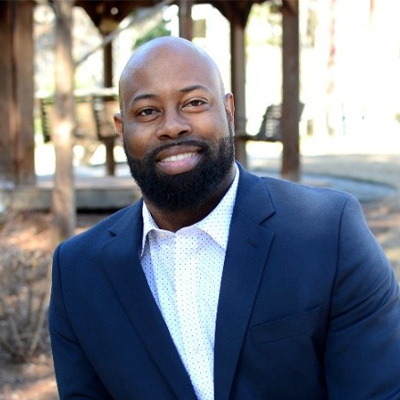
Troy Batth
Meet Your Workforce Development Team
Ryan Hubacz
Workforce Optimization Manager
Technical Training Specialist
Siemens Automation Specialist
Ryan is a Certified Siemens Factory Automation Applications Engineer and SITRAIN Certified Instructor for TIA Portal Programming 1. Based in Houston, TX, he brings over 7 years of experience in industrial automation along with a a B.S. in Electrical Engineering from Texas A&M University.
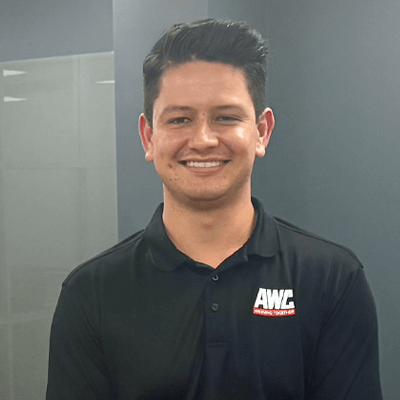
Matt Hynek
Technical Training Specialist
Siemens Automation Specialist
Matt Hynek is a certified Siemens Factory Automation Engineer based out of Houston, TX. He brings an energetic, fresh perspective to industrial automation controls and systems, and is proficient in PLC programming, HMI development, and drive commissioning & parameterization. He holds a B.S. in Mechanical Engineering from Texas Tech University.
Frequently Asked Questions (FAQs)
Q: Who should attend this Intro to Industrial Automation training?
A: This training is designed for entry-level electricians, apprentices, and maintenance personnel beginning work in industrial or control automation environments.
Q: What skills will I learn in this training?
A: You’ll gain essential skills in the structure and purpose of industrial automation systems and their role in modern facilities.
Q: What prerequisites are recommended for this course?
A: There are no prerequisites for this training. We'll start with very basic concepts and build from there.
Q: Will I get hands-on experience?
A: Definitely. The course includes hands-on labs to reinforce the learning modules.
Q: What materials will be provided?
A: All participants will receive comprehensive course materials to take home.
Q: What are the hours for this event?
A: The training runs from 9:00 AM to 4:00 PM, with scheduled breaks.
Q: What about lunch?
A: Lunch is provided every day. A refrigerator and microwave are available if you wish to bring your own lunch.
Q: Where is the training being held?
A: This training will be held at the AWC, Inc. Jacksonville, FL office at 11653 Central Pkwy #210, Jacksonville, FL 32224. If you're searching for “Industrial Automation Fundamentals training near me” in Jacksonville or surrounding areas, this is it.
Q: How can I register for this training?
A: You can register using the "Register Now" buttons on this page or at the “Reserve Your Spot” section below. For assistance, call us at 904-559-4293.